
Volunteer Handbook
Welcome to the team!
This handbook is designed to give you the confidence and information you need to be an effective ambassador for the Alternator.
Whether you are greeting visitors, assisting with a complex installation, or helping out at an opening, you are a vital part of our community-built organization.
The Alternator Story
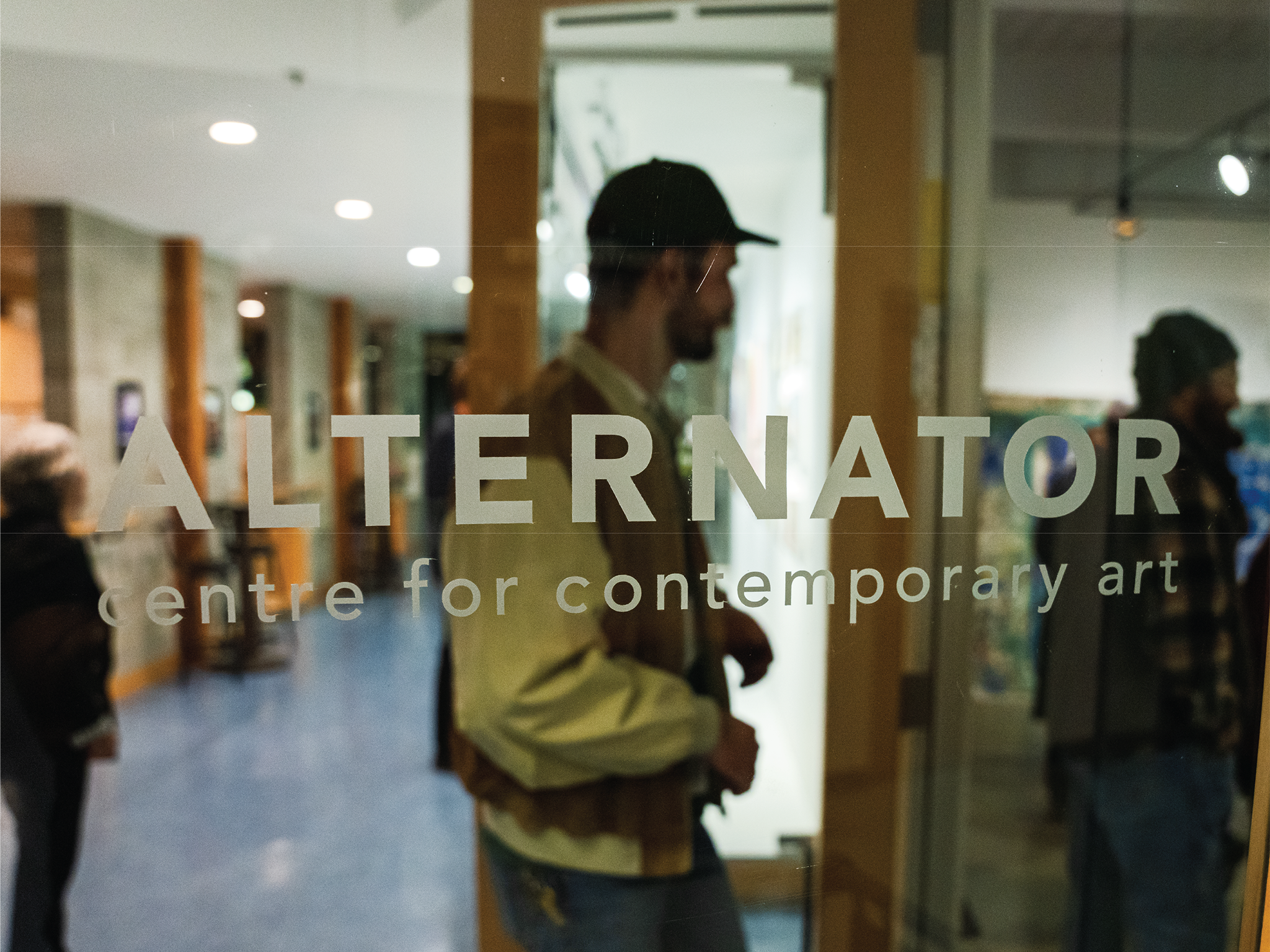
Since 1989, the Alternator Centre for Contemporary Art has been a cornerstone of the Okanagan’s creative community.
We are a non-profit, Artist-Run Centre (ARC) located within the Rotary Centre for the Arts in Kelowna, BC.
We provide a platform for experimental and non-traditional art forms that might not find a home in commercial or municipal galleries.
Our Core Philososphy
We believe art is a process, not just a product.
At the Alternator, we prioritize the artist’s vision and professional growth.
When you volunteer here, you aren't just "watching a room". You are a steward for spaces where difficult, beautiful, and experimental ideas can exist!
What is an Artist-Run Centre (ARC)?
To understand the Alternator, you have to understand the Artist-Run Movement.
In Canada, this movement began in the late 1960s and early 70s when artists grew frustrated with commercial galleries (which only showed "sellable" work) and public museums (which were often slow-moving and traditional).
They decided to "seize the means of exhibition" and start their own spaces. Here is what defines an ARC like the Alternator:
Non-Commercial Intent: Unlike a commercial gallery, our primary goal is not to sell art. This freedom allows artists to show work that is often perceived as"difficult". Pieces that might be massive, ephemeral (like ice or light), or politically challenging.
Governance by Peers: The "Artist-Run" part is literal. Our Board of Directors is primarily composed of practicing artists. This ensures that every decision made is made with the artist's best interest at heart.
The CARFAC Standard: We believe that artists are professionals who deserve to be paid for their labour. We follow CARFAC (Canadian Artists’ Representation) fee schedules. We pay artists a professional fee to exhibit their work, regardless of whether they sell anything.
A "Laboratory" for Art: Think of the Alternator as a Research and Development lab for culture. We provide a safe space for artists to experiment and grow.
Community-Built Support: ARCs rely on a "gift economy" the exchange of time, skills, and passion from our community. By volunteering, you are not only embedded in the local artistic community, but a national network of over 100 ARCs across Canada.
Land Acknowledgement
The Alternator Centre for Contemporary Art respectfully acknowledges its presence on the unceded territory of the syilx (Okanagan) people.
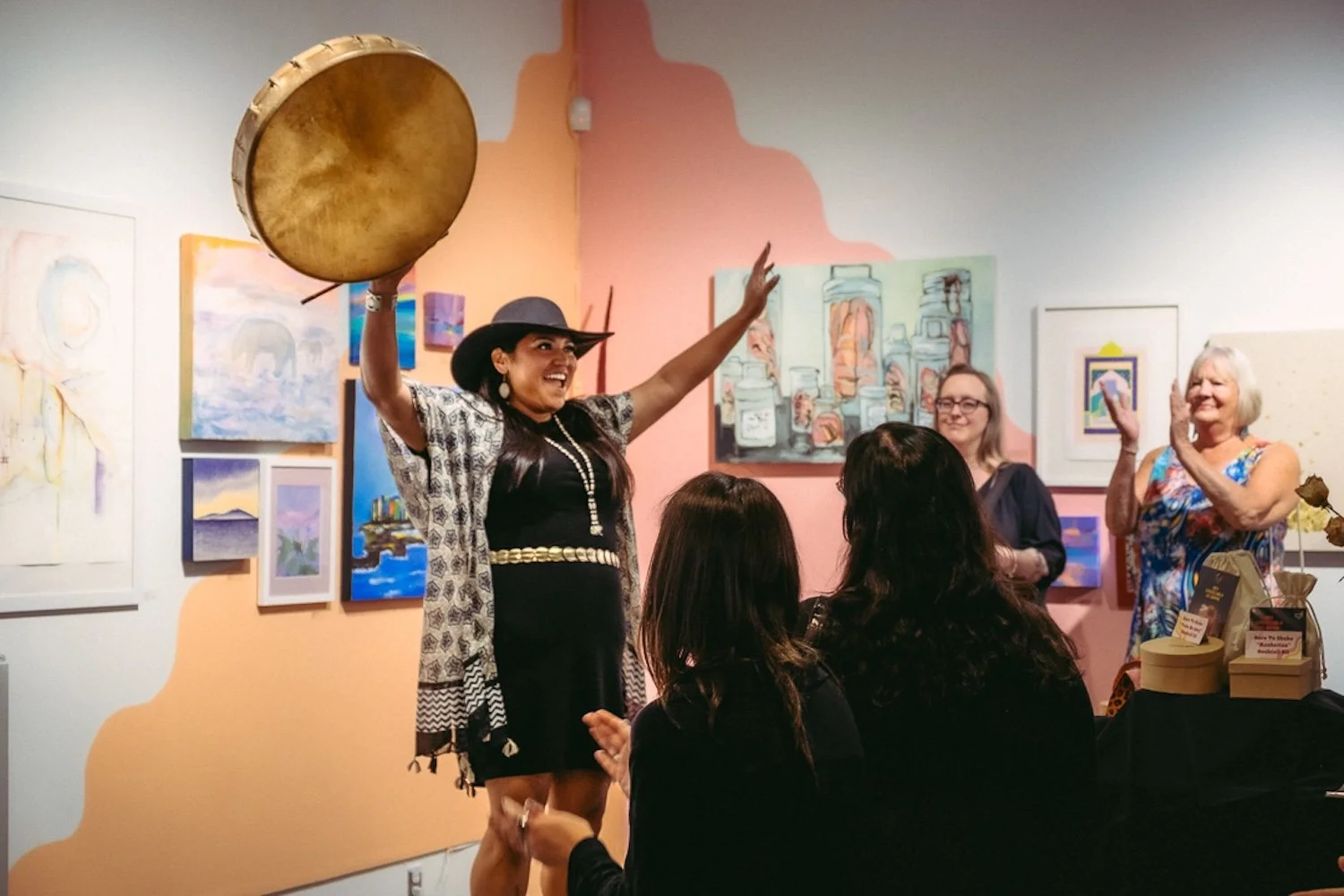
Understanding the Gallery Spaces
Main Gallery: Our largest "white cube" space. It hosts 4-6 major exhibitions a year, selected by a programming committee of peers. The artists exhibiting in this space are usually mid-career, professional artists and are paid according to national CARFAC standards.
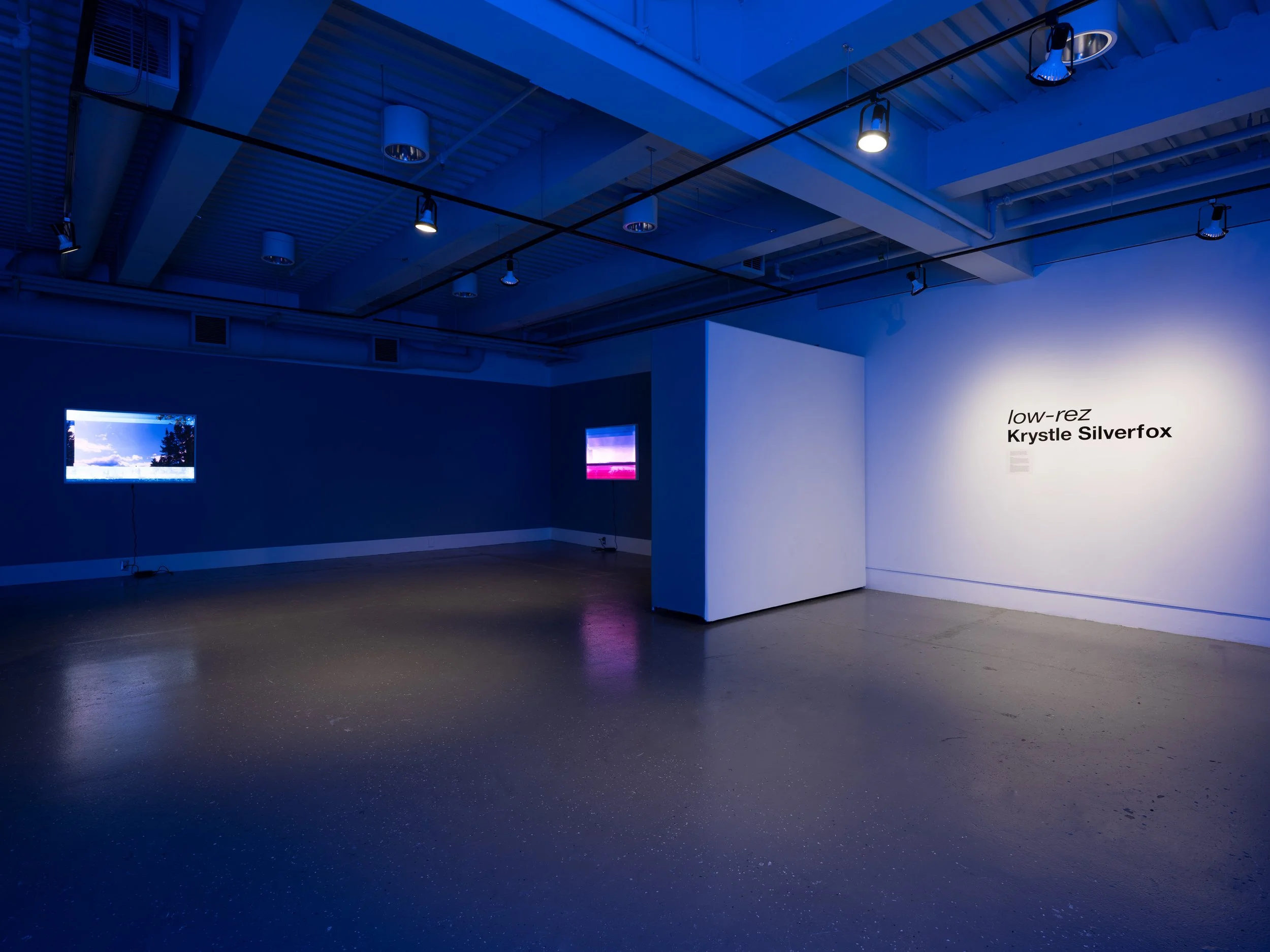
Project Gallery: Our secondary gallery space is best suited for emerging artists and project-based exhibitions. It’s perfect for installations that use light, sound, or digital media. Like the Main Gallery, it hosts 4-6 exhibitions a year and artists are paid according to national CARFAC standards.
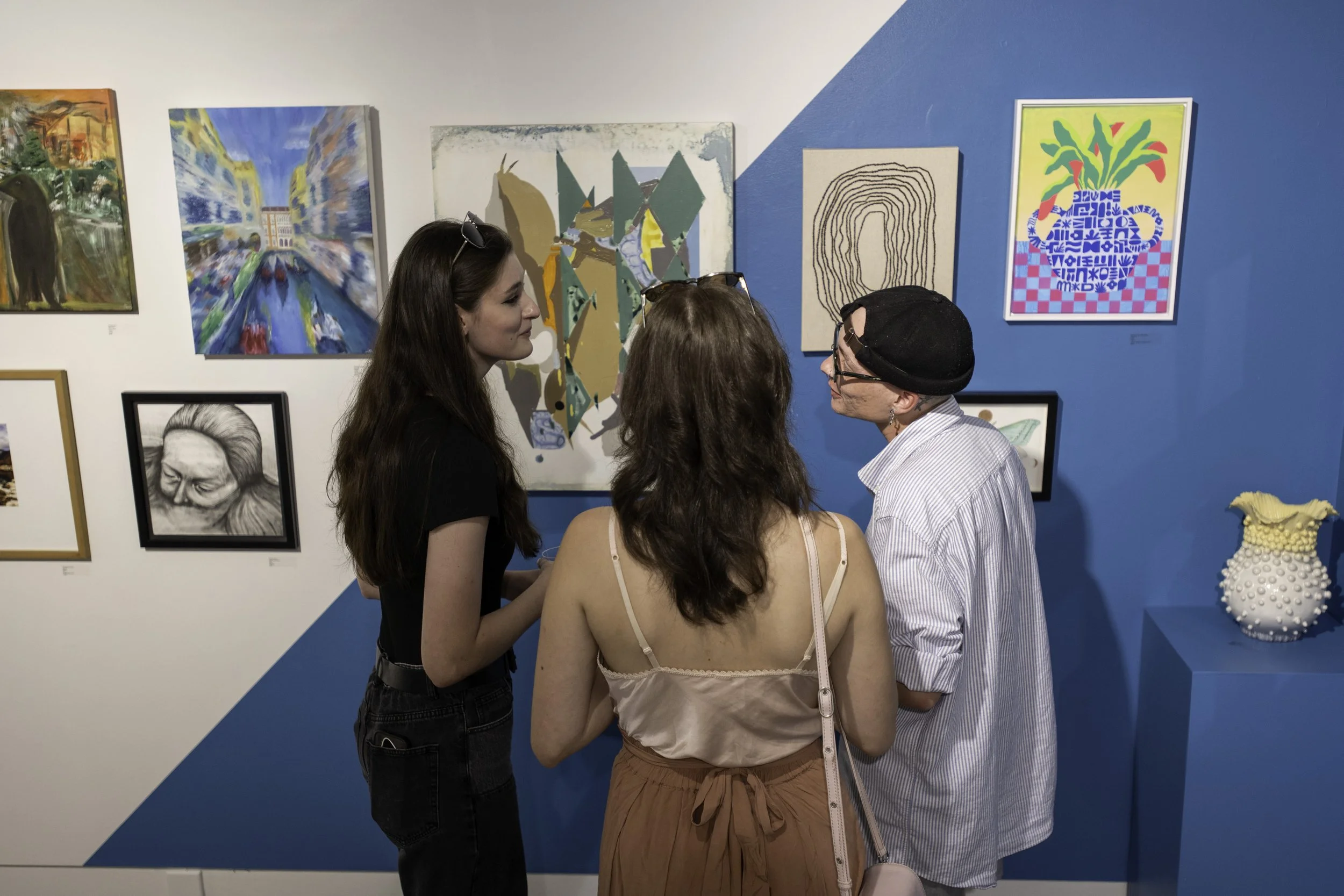
Members’ Gallery: This is our most democratic, public-facing space. Any member can sign up to show work here on a first-come, first-served basis. It is unjuried and presents over 10 community driven exhibitions a year.
Studio 111: Studio 111 has hosted a wide range of Alternator activities throughout our history. Currently, it serves as an artist-in-residence space!
Offsite Presentations: We are always seeking new ways to champion creative expression across the city. This can look like pop-up events in tandem with our exhibitions, or even our ArtMart vending machines!
Volunteer Roles & Opportunities
Gallery Attendant (The Steward)
Your main goal is to make the gallery feel accessible. Many people find contemporary art galleries intimidating. A simple "Hello, feel free to walk around; the artist's statement is right here if you're curious" goes a long way.
Critical Task: Keep a tally of visitors. Our funding depends on showing that the community uses this space!
Installation & Strike (The Crew)
You help transform the gallery. This includes patching and painting walls, measuring, hanging, and levelling, and occasionally assisting artists with complex setups.
Safety First: If you aren't comfortable on a ladder or using a drill, just let us know!
Events & Openings (The Ambassador)
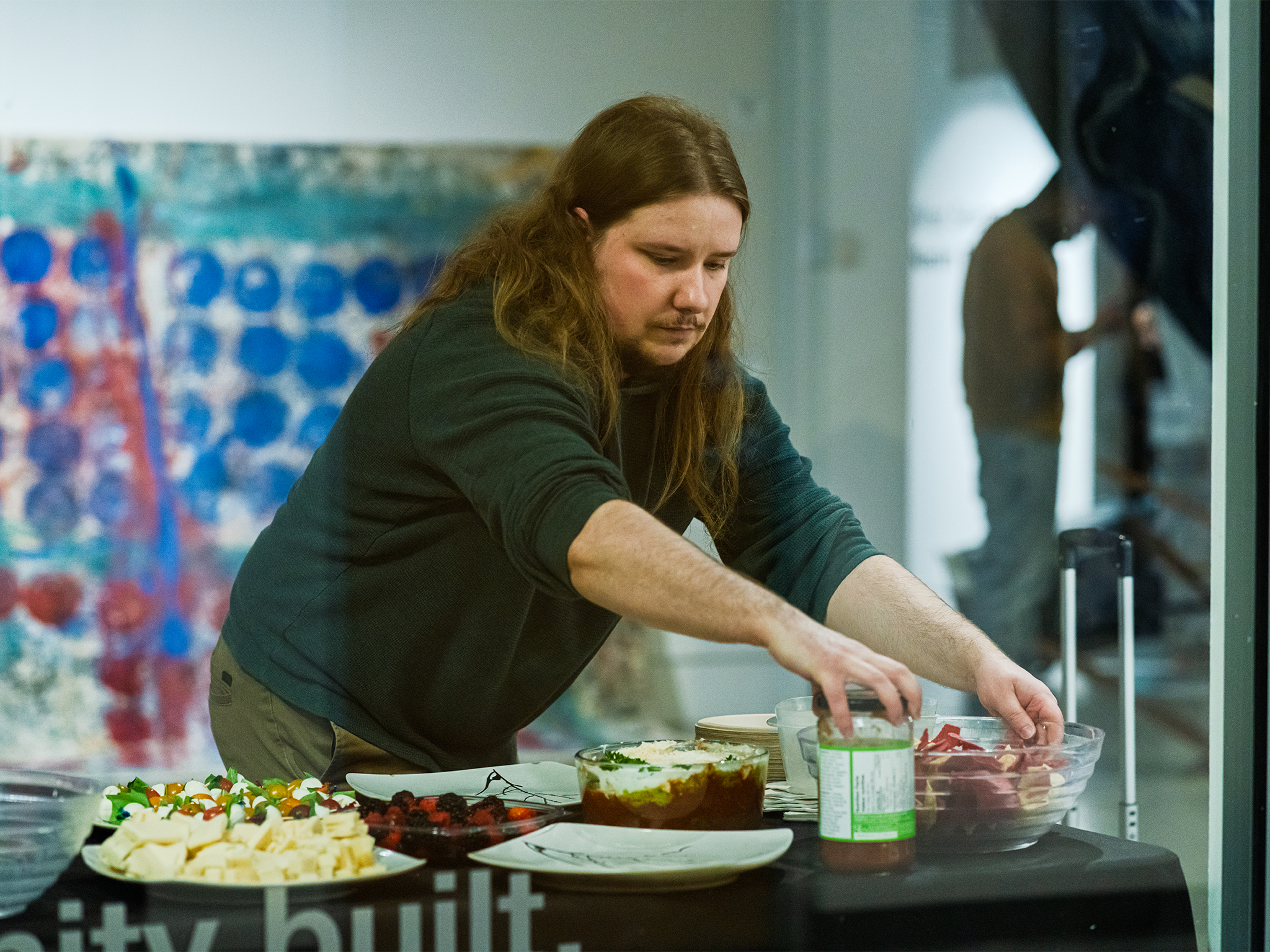
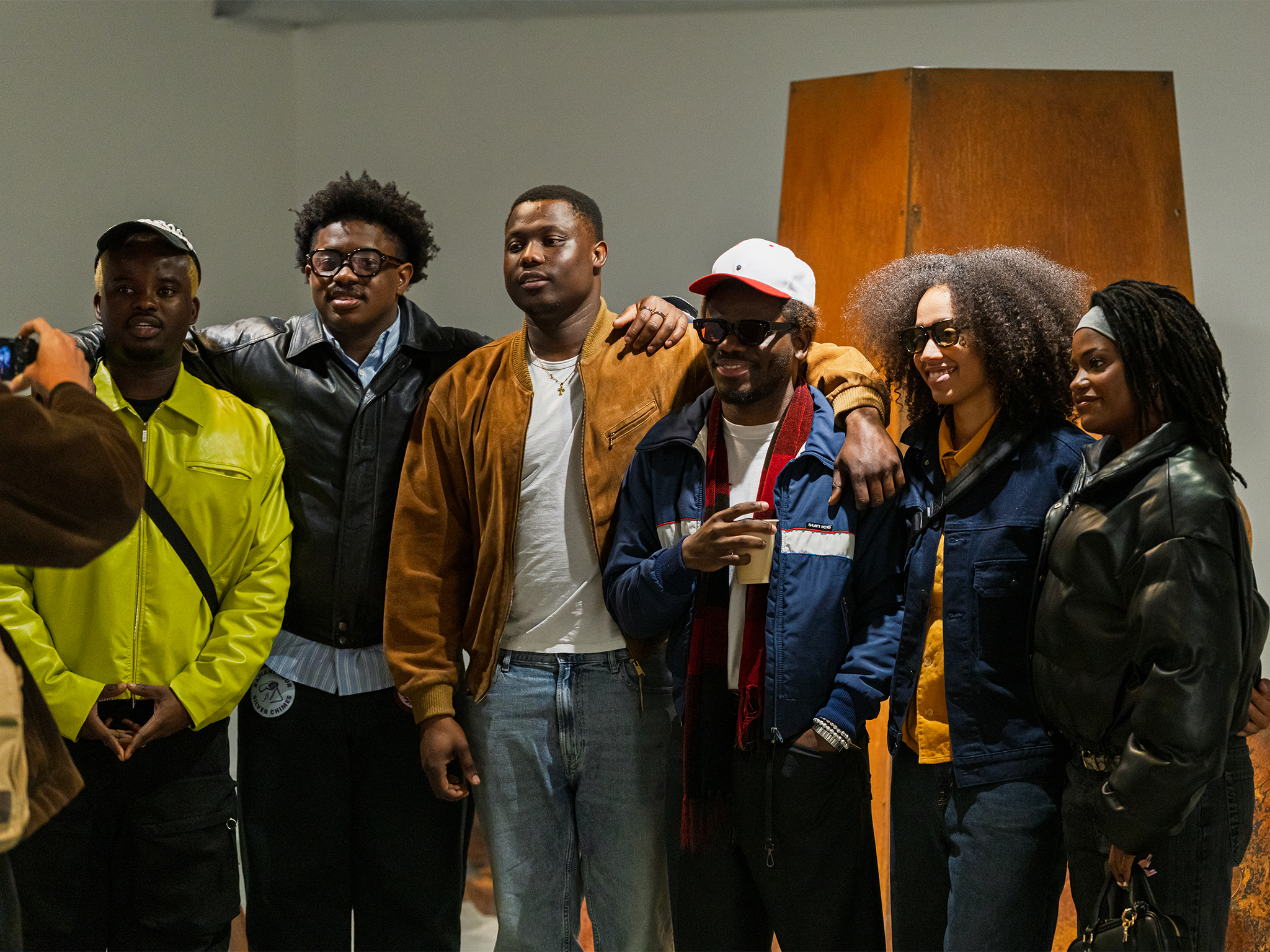
These are our high-energy nights. You’ll help with event set-up, overseeing the guest list, supporting staff, and being welcoming to attendees.
Volunteer Benefits & Membership
The 12-Hour Path to Membership
We value your time. If you contribute 12 hours of volunteer work, you receive a free annual Alternator Membership (valued at $50).
Why Membership Matters
Membership isn't just a discount; it gives you the right to:
Submit your work to the Members' Gallery.
Vote at our Annual General Meeting (AGM).
Free or discounted access professional development opportunities and workshops. It turns you from a supporter into a co-owner of the organisation.
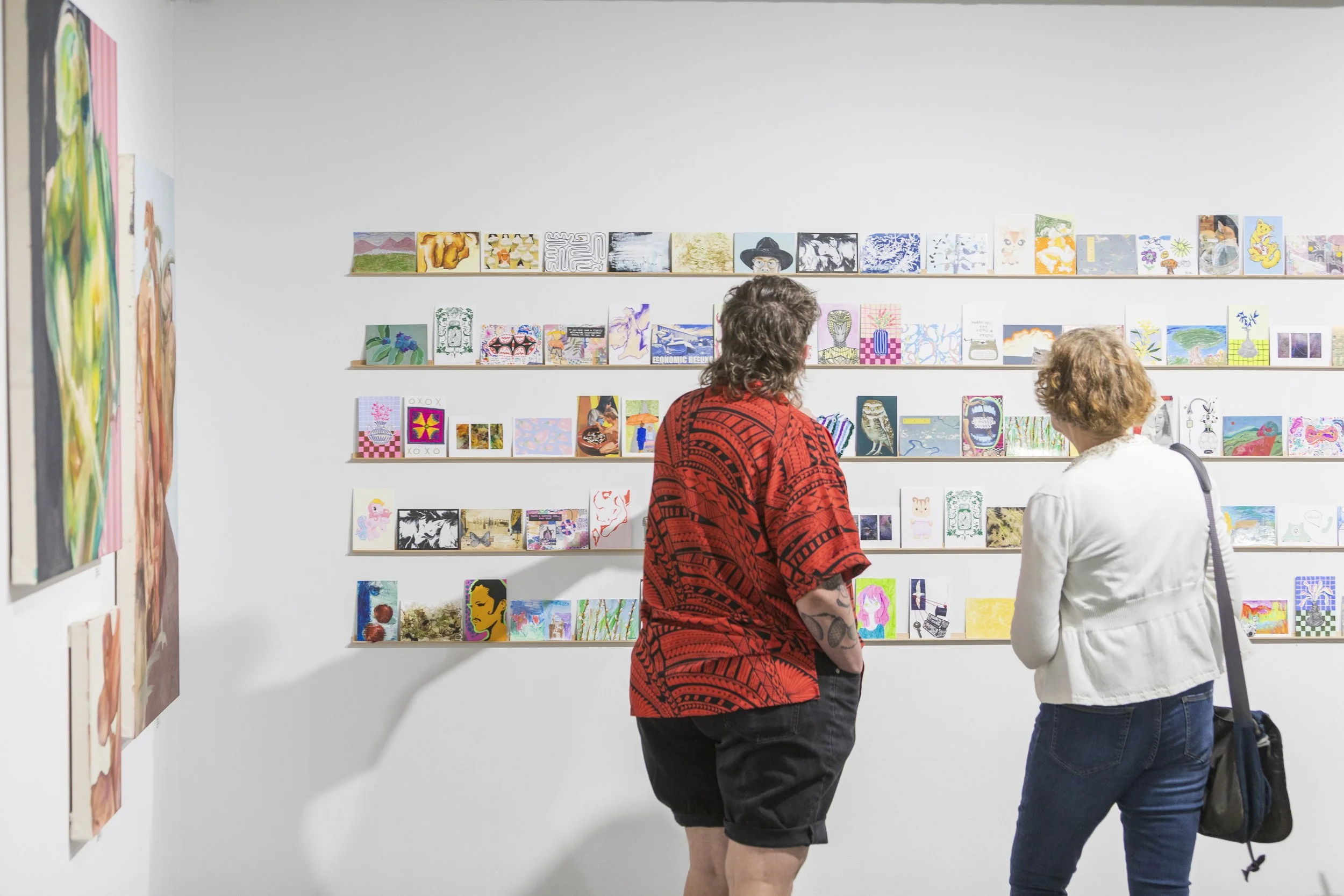
Opportunity to show your work in exclusive Members programming. (i.e. ArtMart, Postcard Project & Studio Sale, thematic exhibitions)
Gallery Etiquette & Public Interaction
Acting as a Gallery Attendant
general expectation to make the space welcoming for all.
introducing visitors to the spaces, answering questions and engaging in discussion.
answering telephone with a standard gallery greeting, and taking messages.
familiarising yourself with the exhibitions on view, and any special projects you may need to be aware of as part of your shift.
ADD - link to olnine memberships
What you are not expected to do
provide submission support, defend the gallery, staff or artwork to visitors, onboard new members, support RCA activities,
if in doubt, offer a business card and encourage the visitor to connect directly with gallery staff, and/or send an email to gallery staff detailing your experinece
"What does this mean?"
You don't need to be an art historian. If a visitor is confused, a great response is: "The artist is exploring themes found in the exhibition statement. What kind of feeling do you get from looking at it?" Shifting the conversation from "facts" to "experience" helps the visitor feel included.
Interaction vs. The "No Touch" Rule
Contemporary art often blurs the line between viewing and participating. To protect the art and ensure a good experience for visitors, we use two different approaches depending on the exhibition:
Viewing-Only Exhibitions (The "No Touch" Rule): For most exhibitions, works are for viewing only. Oils from skin can damage surfaces, and many pieces are fragile or balanced precariously. If you see someone getting too close, a polite "Please help us protect the work by keeping a small distance" is perfect.
Interactive Exhibitions: Some artists specifically design their work to be touched, moved, or worn. For these shows, interaction is encouraged!
How to tell the difference: Always check the exhibition-specific instructions provided by staff at the start of a new show. If a work is interactive, there will usually be specific signage or a "Please Touch" invitation in the artist's statement.
If you are unsure: Default to the "No Touch" rule until you can confirm with a staff member.
Photography
Generally, photography is encouraged for social media (tag us!), unless a specific sign says otherwise. Professional flash photography is prohibited as it can degrade certain materials.
Codes of Conduct & Safe Space
Our Commitment to Your Safety
Volunteer safety is our primary concern. The Alternator is committed to providing a workspace where everyone is treated with dignity and respect. We want you to feel empowered and secure while representing the gallery. If at any point you feel uncomfortable, unsafe, or threatened, please prioritize your own well-being and seek support immediately.
Inclusivity (IDEA Policy)
We are committed to Inclusion, Diversity, Equity, and Access.
We welcome everyone.
We have a zero-tolerance policy for any behaviour that makes our staff, volunteers, artists, and visitors feel unsafe.
You can read our full IDEA Policy and commitments here.
Conflict De-escalation & Support Systems
Contemporary art can sometimes spark strong reactions. If a visitor becomes aggressive, highly disrespectful, or makes you feel uneasy, you are not expected to manage the situation alone.
Step Away: You are never required to argue with or "manage" a hostile visitor. You may politely excuse yourself and move to the staff office or a public area of the Rotary Centre for the Arts.
Alert Staff: Inform the Artistic & Administrative Director immediately.
RCA Facilities Staff: Because we are located within the Rotary Centre for the Arts, the RCA front desk and facilities staff are available during building hours. If Alternator staff are unavailable, head to the main RCA desk for assistance.
Downtown Kelowna On-Call: For non-emergency safety concerns in the immediate vicinity of the building (such as navigating the parking lot or dealing with loitering that feels unsafe), you can contact the Downtown Kelowna On-Call Team. They provide a "Safe Walk" service and general assistance in the downtown core.
Emergencies: If there is an immediate threat to life or safety, call 911 without hesitation.
Operations & Procedures
Main Point of Contact
The Artistic & Administrative Director is your primary point of contact for all volunteer-related matters, including scheduling, safety concerns, or feedback. You can reach the Director via the contact details in the directory below.
Shift Sign-Up
We are currently in the process of moving to an online scheduling system.
Current Procedure: Please email the Artistic & Administrative Director at info@alternatorcentre.com to confirm your availability for upcoming exhibitions or events.
Coming Soon: Check back here for a link to our online volunteer portal.
Tracking Your Hours
It is important to log your hours so we can activate your membership once you hit the 12-hour mark.
Current Procedure: There is a physical Volunteer Log Book located in the Alternator office. Please sign in and sign out for every shift.
Coming Soon: We are working on a digital hour tracker that you will be able to access from your mobile device.
Arrival & Departure
Parking: The Alternator only has one reserved parking spot in the RCA lot. This means artists, staff, and volunteers often have to coordinate who has access. Please touch base with staff ahead of time if you would like to use our spot.
Check-In: When you arrive for your shift, please head directly to the Alternator office to check in with the Director or available staff.
Storage: You may store your personal belongings in the office. Please keep valuables with you or tucked out of sight.
End of Shift: Before leaving, ensure the visitor tally has been updated, any key events have been logged with staff via email, and any shared spaces (like the desk or kitchenette) are tidy.
Opening & Closing
Unless otherwise instructed, a staff member will always be responsible for opening the gallery and locking up. If you find yourself in the gallery alone and have concerns about security, please contact the Director or RCA security immediately.

Resource Directory
Artistic & Administrative Director: Lorna McParland (info@alternatorcentre.com)
Gallery Phone: (250) 868-2298
RCA Front Desk (Facilities): Visit the Main Entrance of the Rotary Centre for the Arts.
Downtown Kelowna On-Call: 250-470-0640 (General Assistance & Safe Walk)
Location: 421 Cawston Ave (Inside the Rotary Centre for the Arts), Kelowna, BC.
Emergency Procedure: In the event of a physical emergency, call 911.
For building-related issues (leaks, power outages, or locked doors), contact the RCA front desk staff or the Artistic & Administrative Director.